
Summer in Northern Michigan sneaks up fast. One week it’s 55°F and breezy off the bay. Next, it’s 88°F with heavy humidity and no airflow inside your home.
If your air conditioner hasn’t been checked since last fall, you’re gambling on the hottest week of the year.
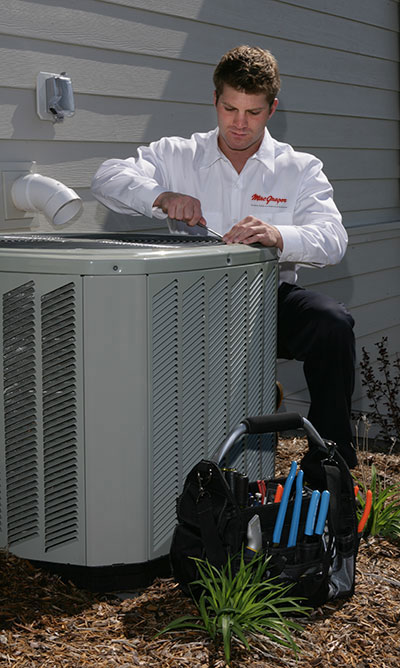
Before the first real heat wave hits Traverse City, Petoskey, Cadillac, Gaylord, or the surrounding lake communities, now is the time to make sure your system is ready.
If you’re unsure about your AC’s condition, schedule a professional inspection with MacGregor today. We’ll evaluate your system, identify risk factors, and help you decide whether maintenance, repair, or replacement makes the most sense.
Why Northern Michigan Summers Are Hard on AC Systems
Northern Michigan doesn’t have long summers — but when the heat hits, it hits hard.
Your system faces:
- Rapid temperature swings
- High lake-effect humidity
- Thunderstorm-related voltage fluctuations
- Long winter dormancy (October through April)
- Rodent and debris buildup inside outdoor units
That long winter shutdown is where problems start. Corroded connections, stuck capacitors, chewed wires, and blocked coils often don’t show up until the first 85–90°F stretch.
By then, HVAC companies are booked solid.
A spring system check prevents emergency calls in July and protects the lifespan of your equipment.
Step 1: Replace the Filter Before Daily Cooling Begins
This is the fastest win.
Northern Michigan homes collect:
- Pine pollen
- Lake dust
- Pet dander
- Heating-season debris
A clogged filter restricts airflow, forces longer run times, and increases strain on motors and coils.
What to do:
- Replace disposable filters before summer begins
- Check monthly from May through September
- Use the correct MERV rating for your system (typically 8–11)
If certain rooms never cool properly on warm days, start here.
Step 2: Inspect the Outdoor Condenser After Snow Melt
Your condenser has endured:
- Snow load
- Ice
- Pine needles
- Wind-driven debris
- Critter nesting
Before summer:
- Shut off power at the disconnect.
- Clear 2–3 feet around the unit.
- Remove debris from the top grate.
- Gently rinse the exterior coils (no pressure washer).
Call a professional if you notice:
- Oil spots on refrigerant lines
- Chewed wiring
- Crushed fins
- Rusted panels
- Ice buildup
Electrical or refrigerant issues are not DIY repairs.
Step 3: Optimize Your Thermostat for Summer
Many Northern Michigan homes still run outdated manual thermostats — especially cottages.
For primary residences:
- Set cooling between 74–78°F for balanced efficiency
- Avoid drastic temperature swings
- Raise temperature slightly when away
For cottages and second homes:
- Install a smart thermostat
- Pre-cool a few hours before arrival
- Keep humidity controlled even when vacant
AC systems do more than cool. They manage humidity — critical in lakefront and wooded properties.
Step 4: Test the System Before the First Heat Wave
Don’t wait for a 90°F afternoon.
On a mild day:
- Close windows and doors
- Switch to cool mode
- Lower the temperature a few degrees
- Confirm both indoor and outdoor units start
Watch for:
- Warm air at vents
- Weak airflow upstairs
- Grinding or buzzing noises
- Musty or burning smells
- Breaker trips
If the system short-cycles or struggles to cool evenly, schedule service immediately.
Step 5: Check Vents and Ductwork
In Northern Michigan homes — especially older houses and cottages — duct issues are common.
Look for:
- Closed supply vents
- Blocked airflow behind furniture
- Disconnected duct joints
- Crushed flexible ducts
- Whistling sounds
Leaky ducts can waste significant cooled air and cause hot spots in bedrooms or upper levels.
If you notice persistent dust clouds or mold smells, professional duct inspection is recommended.
When to Call a Professional
Homeowner maintenance helps. But certain signs mean it’s time to schedule an HVAC inspection:
- Ice on refrigerant lines
- Hissing or bubbling sounds
- Repeated breaker trips
- Warm air during long run times
- Uneven cooling across rooms
- System older than 12–15 years
- Frequent repairs over the past two summers
A professional AC tune-up typically includes:
- Refrigerant level verification
- Electrical inspection and tightening
- Coil cleaning
- Capacitor testing
- Safety control checks
- Performance calibration
Scheduling service in April or May avoids the late-June and July rush when contractors book out quickly.
Repair or Replace Before Peak Season?
If your system is aging or unreliable, it’s smarter to evaluate options before peak demand.
Consider replacement if:
- Your system is beyond typical lifespan
- Cooling is inconsistent
- Energy use continues rising
- Major components are failing
- The system uses outdated refrigerant
Planned replacement gives you time to choose the right system for your home’s size, insulation, and humidity demands — without emergency pressure.
If you’ve added insulation, replaced windows, or remodeled, your original system may no longer be correctly sized.
A proper load calculation ensures long-term efficiency and comfort.
Special Considerations for Cottages and Lakefront Homes
Seasonal homes face different stress patterns.
If your home sits vacant:
- Maintain moderate temperature (around 80–82°F) instead of turning the system fully off
- Use humidity control to prevent mustiness
- Schedule pre-season inspections before guests arrive
Breakdowns during peak rental season create unnecessary stress and disruption.
Preventive maintenance protects comfort and reputation.
Frequently Asked Questions
When should I schedule AC service in Northern Michigan?
March through early May is ideal. Before the first major heat wave is best.
How often should I change filters?
Check monthly during cooling season. Replace every 1–3 months depending on usage and environment.
Do I need AC if nights are cool?
Yes. AC provides humidity control, better sleep comfort, and mold prevention — especially near water.
Should I shut off my AC when away?
Raise the temperature instead of shutting it off completely. This protects indoor air quality and prevents strain when restarting.
How long do AC systems last in Northern Michigan?
With proper maintenance, many systems last 12–15 years. Lightly used cottage systems may last longer, but age, usage, and maintenance history matter.
Don’t Wait for the First 90°F Weekend
Northern Michigan summers are short — but intense.
The worst time to discover a failing AC system is during a heat wave when every HVAC company is fully booked.
If your system hasn’t been inspected this year, schedule a professional evaluation with MacGregor today.
We’ll assess your equipment, identify risks, and help you confidently decide whether maintenance, repair, or replacement is the right move before summer peaks.
Stay ahead of the heat — not behind it.